54B, Tailstoi Town 5238 MT,
La city, IA 522364

Drive Safe & Smart with Us
Every pain avoided but in certain circumstances and owing to the claims of duty or the obligations of business it will frequently occur that pleasures have to be repudiated and annoyances accepted selection he rejects pleasures to secure.

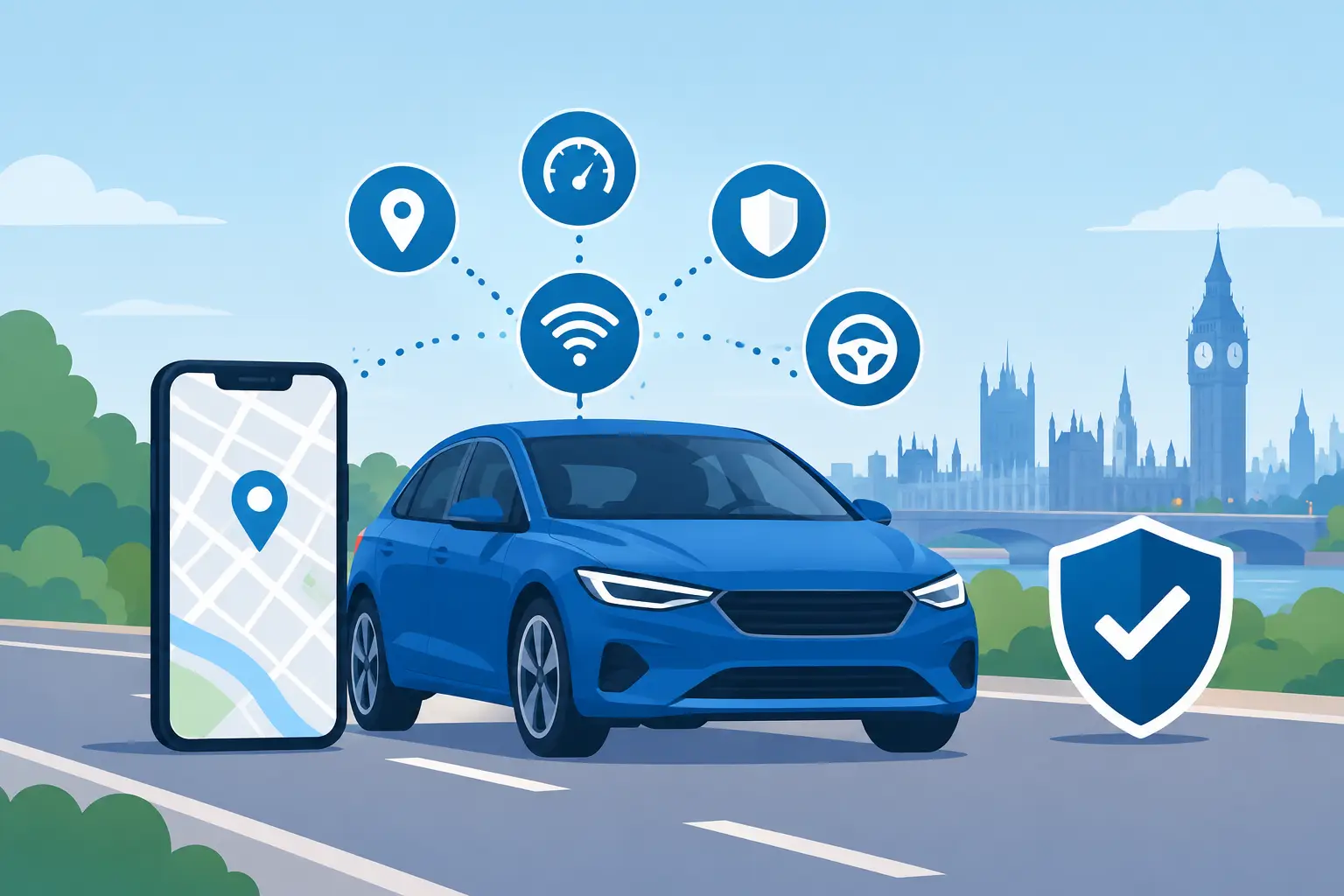
A first insurance quote can be a shock for a new driver, particularly when you have only just passed your test and are trying to keep the cost of getting on the road manageable. So, what is telematics driving insurance? It is a type of motor insurance that uses driving data to help an insurer assess how, when and where a vehicle is driven. Often called black box insurance, it may reward consistently safe driving with a lower renewal price or other benefits.
For learner drivers and newly qualified motorists, telematics can make insurance feel less like a fixed judgement based only on age, postcode and experience. However, it also means your driving habits are being monitored. Understanding the balance before you take out a policy matters.
What is telematics driving insurance and how does it work?
Telematics driving insurance involves a device, app or connected-car system collecting information while you drive. The insurer uses that information alongside the usual details, such as the car, your address, claims history and annual mileage, to calculate or review your premium.
Traditionally, the device was a small black box fitted to the car. Many policies still use one, and it is normally installed by an approved fitter or sent with clear fitting instructions. Other insurers use a smartphone app, a windscreen tag, or data already available through the car’s built-in technology.
After each journey, the insurer’s system builds a picture of your driving style. You may be able to see a score through an app or online account. Some policies provide regular feedback, while others simply use the data when pricing your renewal.
The key point is that every provider sets its own rules. A high score with one insurer does not automatically mean the same score elsewhere, so always read the policy wording rather than relying on the label “black box insurance”.
What does a black box usually track?
The exact data collected depends on the insurer and device, but telematics commonly records speed, acceleration, braking, cornering, the time of day you drive, journey length and mileage. GPS location may also be used to establish where and when the vehicle has travelled, particularly if the car is reported stolen.
The information is not usually about whether you made a perfect three-point turn or selected the right gear at a roundabout. It is looking for patterns that can indicate risk. Repeated harsh braking, rapid acceleration, fast cornering and speeding are likely to affect your score more than one isolated moment caused by a driver pulling out unexpectedly.
Speed is often misunderstood. A telematics policy does not give you permission to drive up to the limit in every situation. The legal limit is a maximum, not a target. Driving safely still means adjusting your speed for rain, traffic, parked vehicles, sharp bends and road conditions. The same calm, planned driving that helps you pass your practical test is usually the driving style a telematics policy is designed to recognise.
Night-time driving and mileage limits
Some policies place particular emphasis on driving late at night or in the early hours, when accident risk can be higher. Others may set a curfew, charge more for night-time use, or simply include it in the driving score. If you work shifts, visit family regularly or expect to drive home late from college or social plans, check this carefully before buying.
Mileage is another important detail. You will normally estimate your annual mileage when arranging cover. Going significantly over that amount may mean paying an additional charge, changing the policy or facing difficulties if the insurer considers the information inaccurate. Be realistic about trips to work, university, lessons, test centres and weekends away.
Why can telematics insurance cost less for young drivers?
Newly qualified drivers are statistically more likely to make a claim than experienced motorists. That is why insurance can be expensive even if you are sensible, careful and driving a modest car. Standard policies group drivers using broad factors, while telematics gives insurers more evidence about your individual driving behaviour.
If you drive smoothly, stay within limits, avoid risky hours where possible and keep to your mileage allowance, you may be seen as a lower risk than the average driver in your age group. That can lead to a more competitive quote from the start, a reward during the policy year, or a better price at renewal.
It is not a guaranteed saving. Some black box policies can still be expensive, especially in areas with higher claim rates or for cars that are costly to repair or insure. You should compare telematics quotes with standard comprehensive insurance, checking the excess, cover level and restrictions as well as the headline price.
The benefits for learners and newly qualified drivers
The biggest benefit is potential affordability, but telematics can also reinforce good habits at a stage when those habits are still being formed. Feedback on sharp braking or speed can make you more aware of how you drive between lessons. That awareness is useful when you are building experience without an instructor beside you.
A black box can also support theft recovery if the insurer can locate the vehicle. Some policies offer practical features through their app, such as journey records or driving feedback for named drivers. For parents helping to insure a young driver, this visibility can be reassuring, provided everyone agrees on the arrangement from the start.
At CJL Driving School, we teach learners that safe driving is not about performing for the examiner. It is about observation, planning and making calm decisions independently. Those same skills can help with a telematics score long after the test has been passed.
The trade-offs to consider before you buy
Telematics is not right for everyone. The main trade-off is privacy: your insurer may know more about your journeys than it would with a conventional policy. Read its privacy notice to understand what data is collected, how long it is retained and when it may be shared.
There can also be consequences for poor driving data. Depending on the policy, a low score might mean reminders, a higher renewal premium, restrictions, an additional charge or, in serious cases, cancellation. Cancellation can make future insurance more difficult and expensive to arrange, so it is not something to treat lightly.
Technology is another consideration. App-based policies can depend on your phone being charged, permissions being enabled and journeys being recorded correctly. If you change phones, travel as a passenger or have a signal problem, you may need to tell the insurer. With a black box, ask who pays for fitting and removal, and whether the policy allows you to switch cars.
Finally, think about how you genuinely use the car. Telematics may be a strong fit for a careful driver who makes regular daytime journeys and stays within an agreed mileage. It may be less suitable if your work requires unpredictable late-night travel, long distances or frequent use of different vehicles.
How to get the best from a telematics policy
Start by choosing a policy that fits your life, rather than trying to force your life around a cheap quote. Check the excess, curfew rules, mileage allowance, cancellation terms, installation process and what happens if the device or app fails. A low initial premium can lose its value if the policy is too restrictive for your needs.
On the road, focus on the habits that protect you and everyone around you. Look well ahead so you can ease off the accelerator early instead of braking sharply. Leave a safe gap, particularly in wet weather. Approach bends at a suitable speed before you turn, and avoid rushing through amber lights or trying to make up time after leaving late.
Do not become distracted by chasing a score. Safe driving sometimes requires firm braking because another road user has created a hazard. The priority is always responding safely, not trying to make every data point look perfect. Good telematics systems assess patterns over time, and a single necessary manoeuvre should not define your driving.
Can a learner driver get telematics insurance?
Yes. Learner drivers can often be insured on a parent’s or family member’s car as a named driver, or take out learner driver insurance in their own name for practice. Whether telematics is available will depend on the insurer and the vehicle. You still need to meet all learner driver rules, including being supervised by someone who is at least 21 and has held the relevant full licence for at least three years.
Avoid being added as a named driver if you are actually the main user of the car. This is known as fronting and it is insurance fraud. It can result in a claim being rejected or a policy being cancelled. Being honest about who drives the car most is always the safer and smarter choice.
When you are ready to insure your own car after passing, use the same thoughtful approach you use when preparing for your test: understand the rules, plan ahead and do not let pressure push you into a decision that does not suit your real driving needs. A telematics policy can reward safe progress, but your safest journey will always come from the choices you make before the engine starts and at every moment behind the wheel.

Leave A Comment