54B, Tailstoi Town 5238 MT,
La city, IA 522364

Drive Safe & Smart with Us
Every pain avoided but in certain circumstances and owing to the claims of duty or the obligations of business it will frequently occur that pleasures have to be repudiated and annoyances accepted selection he rejects pleasures to secure.

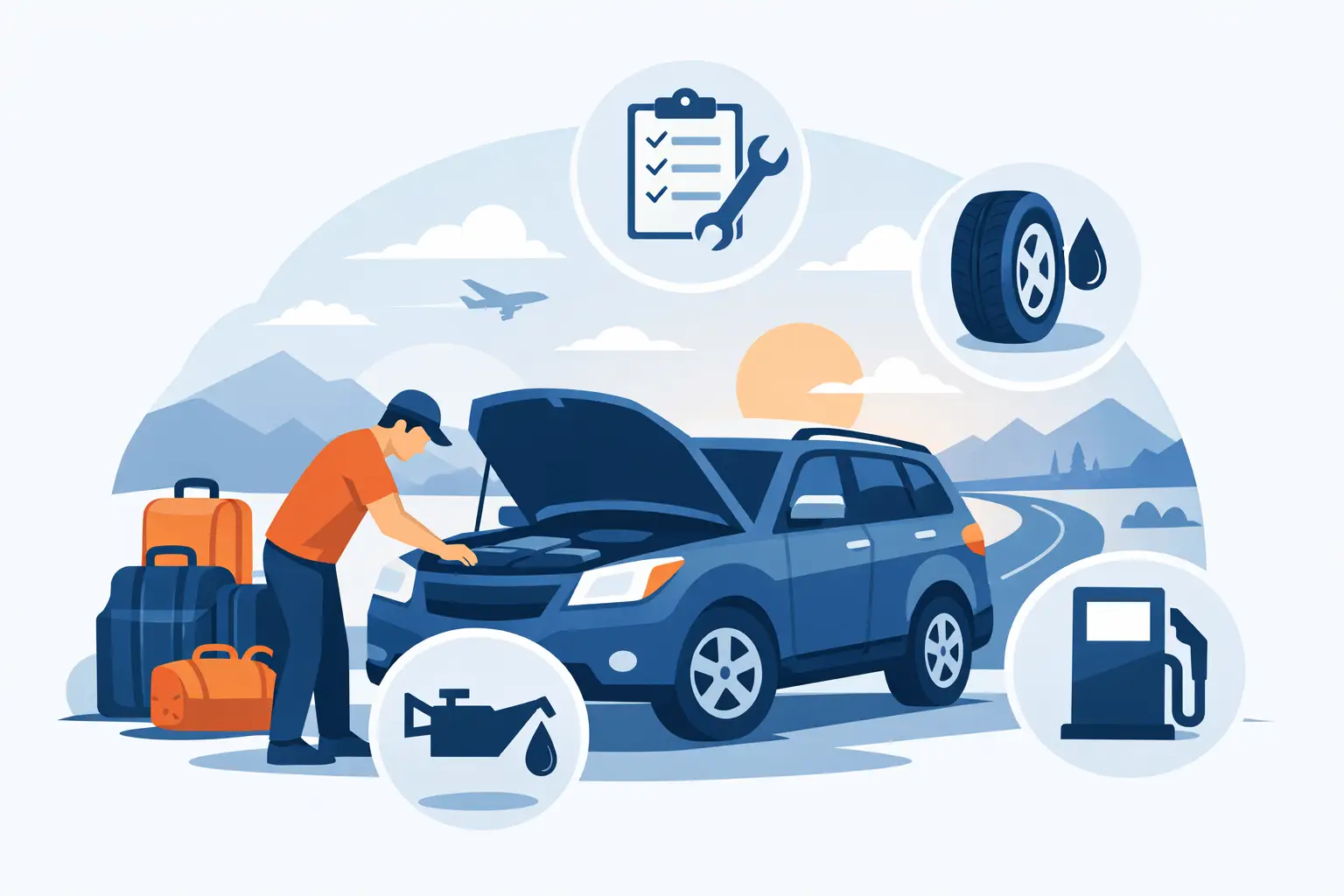
A warning light, a soft tyre or an empty screenwash bottle can turn an exciting trip into a stressful roadside stop. Knowing what checks to make on your vehicle before a long journey gives you time to deal with small issues before they affect your safety, your plans or other road users.
This matters especially when you have recently passed your test. Day-to-day driving may only involve short local journeys, but a longer drive can mean motorway speeds, heavier traffic, poor weather, night driving and a fully loaded car. A few calm checks before you leave will help you start the journey feeling prepared rather than anxious.
What checks to make on your vehicle before a long journey
Ideally, carry out the main checks a day or two before travelling. That gives you enough time to arrange a tyre repair, replace a bulb or book the car in if something does not look right. Do a final walk-round on the day, particularly if the vehicle has been parked overnight.
Start with your tyres
Your tyres are the only part of the vehicle in contact with the road, so they deserve close attention. Check the pressure when the tyres are cold, using the figure in the vehicle handbook or on the information label, often found inside the driver’s door frame or fuel flap.
Pressure requirements can change when you are carrying passengers, luggage or towing, so look for a ‘fully loaded’ setting. Under-inflated tyres can overheat, wear more quickly and make the car use more fuel. Over-inflated tyres may reduce grip and make the ride less comfortable.
Check each tyre for cuts, bulges, embedded objects and uneven wear. The legal minimum tread depth for cars in the UK is 1.6mm across the central three-quarters of the tyre, around its full circumference. For a long trip, particularly where rain is likely, many drivers choose not to wait until tyres are close to that limit. More tread generally gives water a better route away from the tyre and can improve wet-weather grip.
Do not forget the spare tyre if your car has one. If you have a tyre repair kit instead, check that it is present and in date. Make sure you know where the locking wheel nut key is too, if your wheels use one.
Check the lights, indicators and number plates
Before leaving, switch on your sidelights, dipped headlights, main beam, rear lights, brake lights, indicators and fog lights where fitted. A friend can help with brake lights, although reflections in a window, garage door or shopfront can also be useful.
Clean dirty lenses and number plates. Road grime can noticeably reduce how visible you are, especially on a wet evening or when driving on unlit roads. If a bulb has failed, replace it before travelling where possible. Modern vehicles may use LED units that need professional attention rather than a straightforward bulb change.
Also check for dashboard warnings after starting the engine. A warning light is not something to ignore because you are keen to get away. Consult the handbook if you are unsure what it means. A red warning generally requires more urgent action than an amber one, but both should be understood before a long drive.
Top up essential fluids safely
Check engine oil with the vehicle on level ground and the engine switched off. Follow the handbook guidance on when to check it, as some cars require the engine to have rested for a short while. The oil level should sit between the minimum and maximum marks. Adding too much oil can cause problems, so use the correct grade and add only a little at a time if needed.
Check coolant in the expansion tank and look for a level between its markers. Never remove a coolant cap when the engine is hot. Hot coolant is pressurised and can cause serious injury.
Screenwash is easy to overlook until salt spray or a muddy lorry covers the windscreen. Fill it before you leave and use a suitable screenwash mixture, particularly in colder months. Plain water can freeze in low temperatures and does not clean as effectively. If your rear window has a washer, test that too.
Brake fluid is usually checked by looking at the reservoir level, not by topping it up routinely. If it is low, or you have noticed a spongy brake pedal, have the vehicle inspected. Low brake fluid can indicate worn components or a leak.
Make sure you can see clearly
A clean windscreen is a safety feature, not just a cosmetic job. Clean the inside as well as the outside, because a greasy film can create dangerous glare from low sun or headlights. Clear all windows, mirrors and camera lenses if your vehicle has parking or reversing cameras.
Inspect the wiper blades for splits, stiffness or smearing. Wipers that drag across the glass or leave streaks can make heavy rain much harder to manage. Test the front and rear demisters before you set off, particularly during autumn and winter.
Adjust your mirrors and driving position before moving away. You should be able to fully depress the pedals while keeping a slight bend in your knee, with the steering wheel comfortably within reach. Long journeys become tiring more quickly when you are sitting badly.
Pay attention to brakes, steering and the battery
During a short local drive before your trip, listen and feel for anything unusual. Brakes should work smoothly and should not pull the vehicle strongly to one side. Squealing, grinding, vibration through the pedal or a warning light all need checking by a qualified garage.
The steering should feel predictable, without excessive vibration, knocking or wandering. If the car pulls to one side on a level road, it could be linked to tyre pressures, wheel alignment or another fault. It is worth investigating rather than simply correcting the steering wheel throughout a lengthy journey.
A battery can be put under extra strain by cold weather, short journeys and accessories. If the engine has been slow to start, the battery warning light stays on, or lights appear dim, arrange a battery and charging-system check before relying on the vehicle for a longer trip.
Prepare the car for the load you are carrying
A packed car handles differently. Heavy items should go low down and as far forward in the boot as practical, rather than piled high behind the rear seats. Secure loose objects – a water bottle, bag or umbrella can become a hazard if you brake sharply.
Do not overload the vehicle and do not block your rear view. Check the handbook for maximum load limits if you are carrying several passengers or substantial luggage. Roof boxes and bike carriers also affect fuel use, wind noise and handling, while a trailer requires additional checks, correct connections and a different driving approach.
If you are taking children, make sure child seats are correctly fitted and appropriate for the child. Give yourself enough time to make adjustments before departure, rather than trying to solve them at the roadside.
Plan for the journey, not just the vehicle
A safe long journey begins before the key goes in the ignition. Check your route, allow for breaks and consider the weather. Strong winds, standing water, fog, snow and high temperatures all change the way a journey should be driven.
Plan a break at least every two hours, and sooner if you feel tired. Opening a window, turning up the music or drinking another coffee are not reliable cures for fatigue. If you are struggling to focus, yawning repeatedly or missing signs, stop somewhere safe and rest.
Keep your mobile phone charged, but set navigation and music before moving off. Put your mobile phone away while driving, even when stationary in traffic with the engine running. A charging cable, warm layer, water and any essential medication are sensible additions for a longer trip, particularly in winter.
Fuel or charge up with a margin to spare. Do not assume you will find a convenient petrol station or rapid charger just when you need one, especially if traffic delays or diversions change your route. Electric vehicle drivers should factor in charging stops, battery range in the current weather and an alternative charging location where practical.
A quick pre-departure walk-round
On the day, take two minutes to walk around the vehicle. Look for a flat tyre, puddle beneath the car, damage, an open fuel flap, loose items on the roof or anything blocking the lights and number plates. Once inside, fasten your seat belt, ask every passenger to do the same, set your mirrors and make sure you have enough fuel or charge.
These habits are part of becoming a safe, confident driver, not something reserved for a holiday motorway trip. If you are unsure how to check an oil level, read tyre markings or recognise a warning light, ask your driving instructor to talk you through it. At CJL Driving School, we believe practical vehicle knowledge helps learners drive safe and smart long after they have passed their test.
Give yourself ten unhurried minutes before a long journey. That small investment can protect your plans, your vehicle and the people travelling with you – and lets you focus on enjoying the road ahead.

Leave A Comment