54B, Tailstoi Town 5238 MT,
La city, IA 522364

Drive Safe & Smart with Us
Every pain avoided but in certain circumstances and owing to the claims of duty or the obligations of business it will frequently occur that pleasures have to be repudiated and annoyances accepted selection he rejects pleasures to secure.

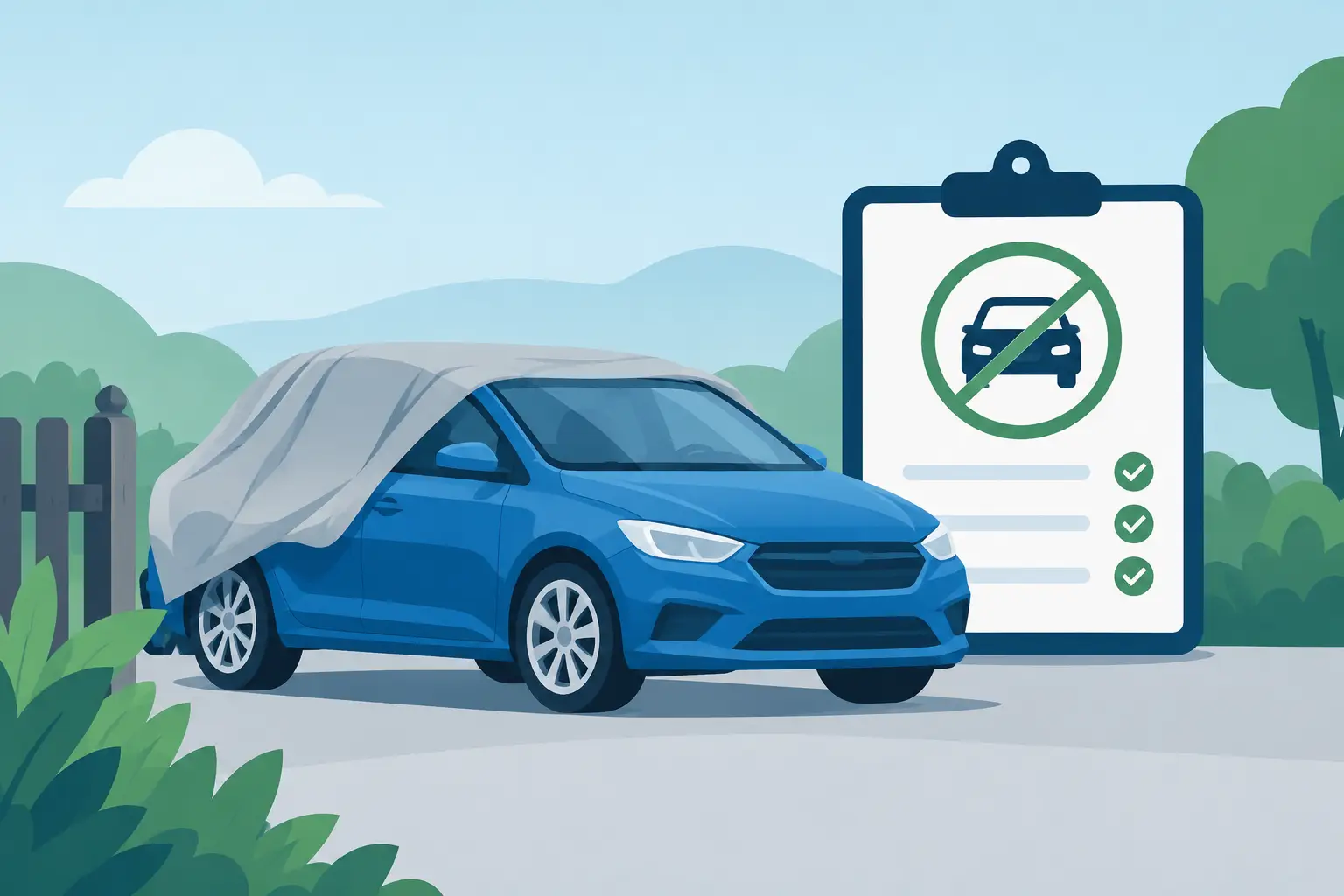
A vehicle that is not being driven can still create legal responsibilities. If it is untaxed and kept on a driveway, in a garage or on private land, you may need to tell the DVLA that it is off the road. That is where a statutory off road notification (SORN) and what it means becomes relevant.
For learner drivers, this can be especially useful to understand before buying a first car, restoring an older vehicle or leaving a car unused while saving for lessons, insurance or repairs. A SORN is straightforward, but the rules around where the vehicle is kept and when it may be driven are strict.
What is a statutory off road notification (SORN)?
A SORN is a declaration made to the DVLA confirming that a vehicle is not being used or kept on a public road. It allows you to keep the vehicle untaxed while it is genuinely off the road.
The important phrase is off the road. A SORN vehicle must be kept on private land, such as a private driveway, garage, private car park or secure storage site. It cannot be left on the road outside your house, on a pavement, in a residents’ bay or on a grass verge beside the road. Even if it is not moving, it may still be treated as being kept on the public highway.
Once the DVLA accepts the declaration, you do not need to renew it every year. It remains in place until the vehicle is taxed, sold, scrapped, exported or otherwise removed from your responsibility.
When should you make a SORN declaration?
You should normally make a SORN when you plan to stop taxing a vehicle and keep it entirely away from public roads. Common situations include taking a car off the road while it needs substantial repairs, storing a second car that is not currently needed, or keeping a project vehicle in a garage.
It may also apply if a learner has bought a first car before they are ready to insure and use it. Buying a vehicle can feel like a positive step towards independence, but it should not sit untaxed on the street while you wait to pass your test. If you have private space to store it, a SORN can keep its status clear while you prepare for the road.
A SORN is not needed if the vehicle is taxed, even if you rarely drive it. Equally, it is not a way to avoid tax while continuing to park or drive the vehicle on public roads. The declaration is based on where the vehicle is kept, not simply on how often it is used.
What a SORN does not mean
A SORN does not give permission to drive an untaxed vehicle on the road whenever you choose. It also does not make a vehicle safe, roadworthy or automatically exempt from insurance requirements in every circumstance.
If you want to return the vehicle to normal use, you must tax it before using or keeping it on a public road. Taxing it will automatically end the SORN. You will also need suitable insurance, and the vehicle must have a valid MOT if one is required.
There are limited legal exceptions for travelling to a pre-booked MOT or other qualifying test appointment. Depending on the circumstances, there can also be provisions connected with travelling for repairs following a failed test. However, these are narrow exceptions, not a general allowance to use an untaxed car. The vehicle must be insured, the journey must be legitimate and the car must be safe enough for the road.
For a learner driver, the practical message is simple: do not plan lessons, practice drives or trips to the shops in a SORN vehicle. A car used for tuition on public roads needs to be properly taxed, insured, maintained and legal to drive.
How to make a SORN
You can declare a SORN through the DVLA using the vehicle details from your V5C log book or the reference on your vehicle tax reminder, where applicable. The process can be completed online, by phone or by post, depending on the documents you hold and your circumstances.
Before you make the declaration, make sure you have somewhere genuinely private to keep the vehicle. This is the point many owners overlook. A driveway that belongs to your property is generally suitable; a space on the public road directly outside it is not. If you live in a flat or use shared parking, check carefully whether the bay is private land or part of the public highway.
If the vehicle has remaining vehicle tax when you make the SORN, you may be entitled to a refund for complete remaining months of tax. The refund process is generally handled once the SORN is recorded, but it is worth checking that the registered keeper details on the V5C are correct first.
Insurance, MOT and the risks of getting it wrong
A SORN can also affect insurance. Vehicles that are declared off the road are generally exempt from the requirement to hold continuous motor insurance, but choosing to cancel cover is not always the best decision. A stored vehicle can still be damaged by fire, theft, vandalism or weather.
Some owners choose laid-up insurance for a vehicle that is being stored. This type of cover may protect the car while it remains off the road, although it will not allow it to be driven on public roads. The right choice depends on the vehicle’s value, where it is stored and your own level of risk tolerance.
An MOT is slightly different. A vehicle may be declared SORN without a current MOT, provided it is kept off public roads. But before it is returned to regular use, make sure its MOT, insurance and tax are all in order. If a car has been standing for months, check tyres, brakes, lights, fluid levels and battery condition before arranging any journey.
The consequences of ignoring SORN rules can be expensive. Keeping an untaxed vehicle on a public road can lead to enforcement action, penalties and, in some cases, the vehicle being clamped, removed or crushed. It is far easier to make the correct declaration or tax the vehicle than to deal with a preventable fine.
Selling, buying or scrapping a SORN vehicle
A SORN does not transfer to a new owner. If you sell the vehicle, the buyer must make their own arrangements before keeping it untaxed off the road. They should not assume that your existing declaration protects them.
If you buy a vehicle that is already SORN, think about where it will be stored before collecting it. You may need to arrange transport rather than driving it home. This is particularly relevant for first-time buyers who find a low-cost car online and only later realise it has no tax, MOT or insurance.
When scrapping or exporting a vehicle, notify the DVLA correctly and keep records of the transaction. If the vehicle remains registered in your name, you could still receive correspondence or enforcement notices connected with it.
A sensible first-car habit
Understanding SORN is part of becoming a responsible driver, not just passing the theory test. Owning a car involves paperwork, maintenance and legal checks as well as confidence behind the wheel.
Before collecting your first vehicle, make a simple plan: where will it be kept, is it taxed and insured, does it have a valid MOT, and are you ready to use it legally? At CJL Driving School, we encourage learners to build these smart habits early, because safe driving starts long before the engine does.

Leave A Comment