54B, Tailstoi Town 5238 MT,
La city, IA 522364

Drive Safe & Smart with Us
Every pain avoided but in certain circumstances and owing to the claims of duty or the obligations of business it will frequently occur that pleasures have to be repudiated and annoyances accepted selection he rejects pleasures to secure.

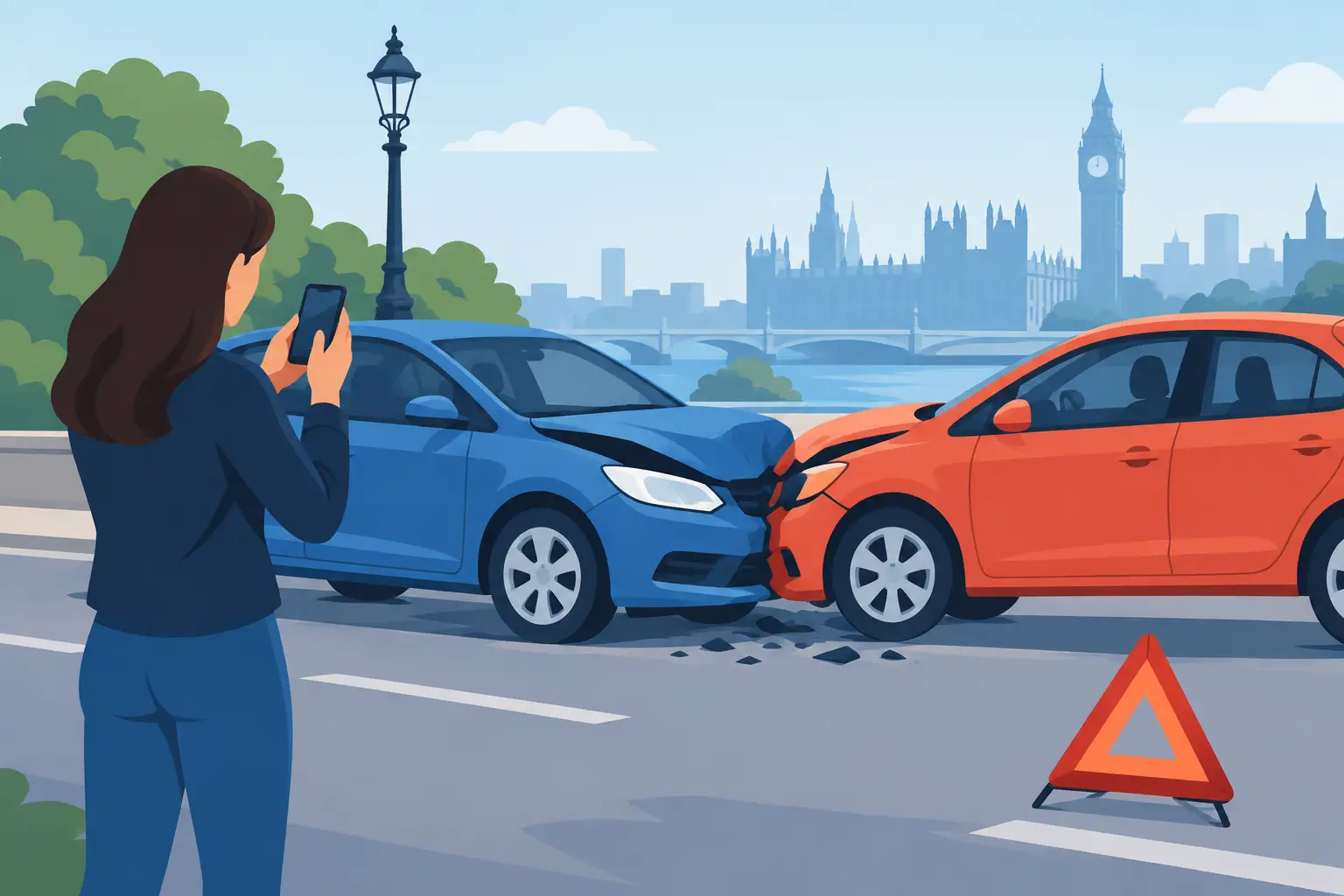
A collision can make even an experienced driver feel shaken. If you are wondering what is the full procedure if you have a car accident in the UK, focus first on safety, then follow the required steps calmly and methodically. Knowing what to do before it happens can help you protect yourself, other road users and your insurance position.
Stop safely and make the scene safe
You must stop after an accident involving another vehicle, person, animal or property. Do not drive away, even if the damage looks minor or you believe the other driver caused it. Leaving the scene can turn a stressful incident into a serious legal matter.
Put on your hazard warning lights if it is safe and appropriate to do so. Switch off your engine, apply the handbrake and check whether you or anybody else is injured. Be particularly careful on fast roads, at blind bends or in poor weather. If you can safely move the vehicles out of danger without affecting the evidence, do so. If not, keep yourself away from moving traffic where possible.
Call 999 straight away if someone is injured, the road is blocked or dangerous, there is fire, fuel has spilled, a driver appears intoxicated, or you suspect a crime. On a motorway or busy dual carriageway, getting people to a safer location behind a barrier, where possible, matters more than discussing fault at the roadside.
If anyone has been injured, do not move them unless they are in immediate danger. Offer reasonable help, but avoid attempting treatment beyond your knowledge. A calm call to the emergency services and clear information about the location can make a real difference.
Exchange the right details
Once everyone is safe, exchange details with the other people involved. The law requires drivers to provide their name and address, the vehicle registration number, and the name and address of the vehicle owner if that is different.
It is also sensible to exchange insurance company and policy details, a contact telephone number and the make, model and colour of each vehicle. If another person has been injured, they may be entitled to ask for your insurance details.
Keep the conversation polite and factual. Do not apologise in a way that could be treated as accepting responsibility, and do not argue about who was at fault. The cause of an accident is not always obvious at the scene. Insurers will consider the evidence, road layout, witness accounts, vehicle damage and, where available, camera footage.
If the other driver will not provide their details, seems uninsured, or leaves the scene, make a note of their registration number, vehicle description and direction of travel. Tell the police as soon as possible.
Record evidence while it is available
Memory becomes less reliable surprisingly quickly, especially after a shock. Take photographs or video from a safe position before vehicles are moved, if you can. Capture the overall road layout as well as close-ups of the damage.
Useful evidence includes:
- vehicle positions, registration plates and visible damage
- road markings, traffic lights, signs and the weather conditions
- skid marks, debris, obstructions or poor road surfaces
- names and contact details of independent witnesses
- the time, date and exact location of the collision
Write a short account of what happened as soon as you can. Include the direction you were travelling, your approximate speed, what you saw, and any action you took, such as braking or steering. Stick to facts rather than assumptions.
Dashcam footage can be valuable, but save it promptly. Some cameras automatically overwrite older recordings. If nearby homes, shops or buses may have captured footage, make a note of this for your insurer. Do not confront people or demand recordings at the scene.
When you must report a car accident to the police
A collision does not always require police attendance. For a straightforward damage-only accident where all drivers stop and exchange the required details, the police may not attend.
However, if you cannot exchange the legally required details at the scene, you must report the accident to the police as soon as reasonably practicable and within 24 hours. This can apply if the other driver has gone, if property was damaged and no owner is present, or if circumstances made it impossible to exchange information safely.
If the police ask to see your insurance certificate, you may be required to produce it within seven days. Follow the instructions you are given and keep a record of any incident or crime reference number.
Accidents involving injury, suspected uninsured driving, dangerous driving, damage to public property or an animal should be taken especially seriously. The law covers certain animals, including dogs, horses, cattle, asses, mules, sheep, pigs and goats. If you hit one of these, stop and deal with the incident just as you would after a collision with a vehicle.
Tell your insurer, even if you do not plan to claim
Contact your insurer as soon as you reasonably can. Most policies require you to tell them about an accident, even where you do not intend to make a claim or believe you were not at fault. Waiting too long could make the process harder and may affect your cover.
Give a clear account, provide the other party’s details and send photographs, witness information and any police reference number. Do not exaggerate damage or guess at facts you do not know. If you are uncertain about something, say so.
Your insurer will explain the next steps. Depending on your policy and the condition of the vehicle, this could include arranging repairs, recovery, a courtesy car or an assessment of whether the vehicle is economical to repair. Excesses, no-claims discount protection and the availability of a replacement vehicle vary by policy, so check your documents rather than relying on assumptions.
If your car is unsafe to drive – for example, it has damaged lights, tyres, steering, brakes, mirrors or a loose bumper – do not continue using it. Arrange recovery or ask your insurer what to do. Driving an unroadworthy vehicle can put you and others at risk.
What learner drivers should do after an accident
For learner drivers, an accident can feel like a major setback. It does not mean you are incapable of becoming a safe, confident driver. What matters is how you respond and what you learn from it.
If you are driving during a lesson, your instructor will help take control of the situation and guide you through the immediate safety steps. Once the practical arrangements have been dealt with, talk through the incident when you feel ready. Were there warning signs? Was there enough space between vehicles? Did a rushed decision, poor observation or a difficult road condition play a part?
The purpose is not to assign blame to yourself. It is to build better judgement for next time. A good instructor can revisit the relevant skills, whether that means meeting traffic safely, checking mirrors before changing direction, managing busy roundabouts or planning further ahead.
Look after yourself in the hours afterwards
Adrenaline can hide pain and leave you feeling oddly calm straight after a crash. If you develop pain, dizziness, headaches, numbness or emotional distress later, seek appropriate medical advice. Keep records of appointments, symptoms and expenses if an injury claim may be involved.
You may also feel nervous about driving again, particularly after your first accident. Start gently when you are ready. A familiar route, a quieter time of day and a supportive passenger or instructor can help restore confidence without avoiding driving altogether.
The full procedure after a car accident in the UK is not about having the perfect words at the roadside. It is about stopping, protecting people, exchanging facts, recording what you can and reporting the incident properly. Those steady decisions are part of driving safe and smart – and they will serve you long after the immediate shock has passed.

Leave A Comment