54B, Tailstoi Town 5238 MT,
La city, IA 522364

Drive Safe & Smart with Us
Every pain avoided but in certain circumstances and owing to the claims of duty or the obligations of business it will frequently occur that pleasures have to be repudiated and annoyances accepted selection he rejects pleasures to secure.

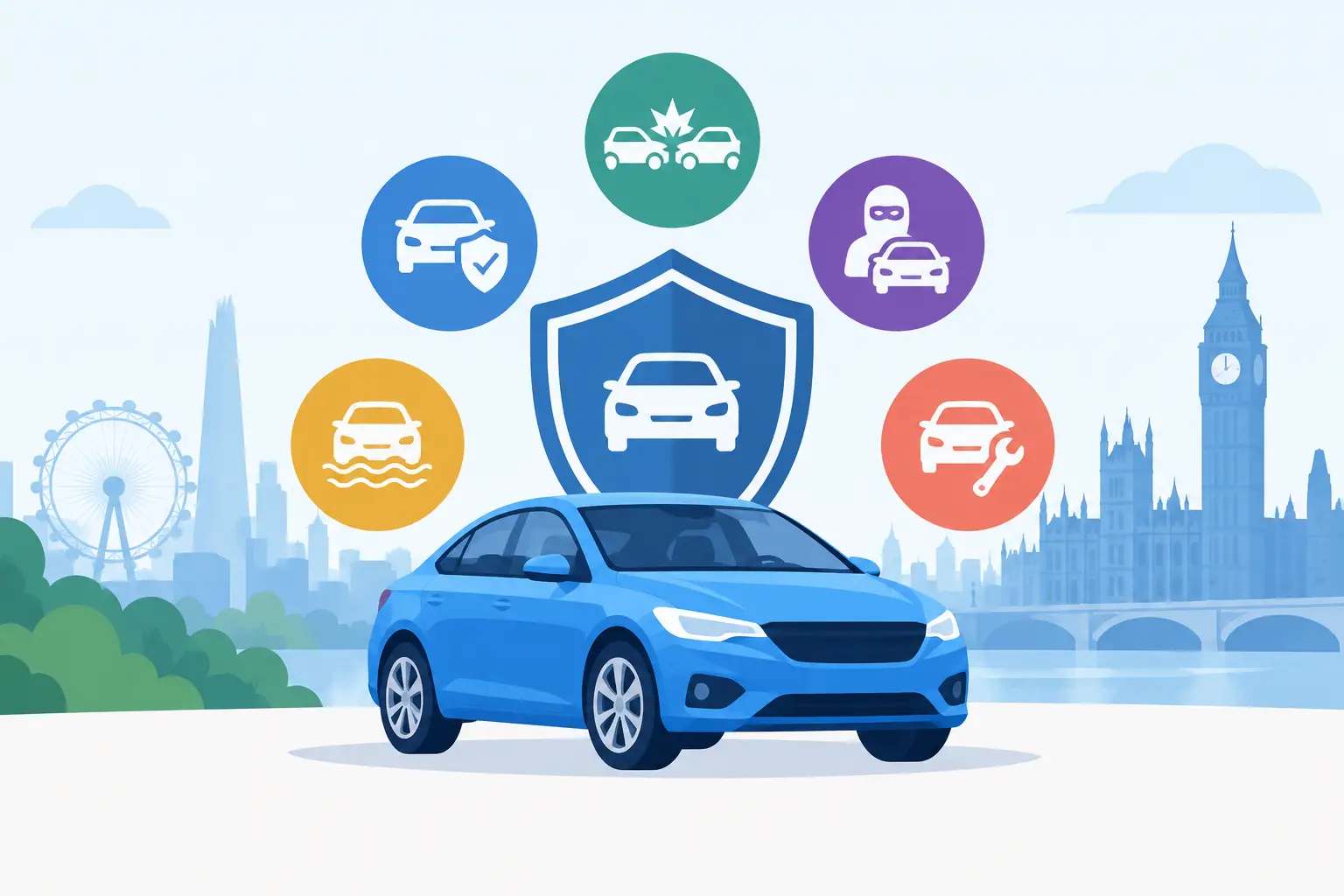
Buying motor insurance can feel like another test before you have even turned the key. “Different types of motor insurance in the UK explained, and what they provide” is a subject every new driver needs to understand, because the cheapest-looking policy is not always the cover that will help when something goes wrong.
For learner drivers, first-car owners and anyone returning to driving, the key is not simply choosing a legal policy. It is choosing cover that matches how, where and how often you will drive. A little clarity now can prevent costly surprises later and help you focus on building safe, confident habits on the road.
The legal minimum: third-party only insurance
Third-party only insurance is the minimum level of motor cover required to drive legally on UK roads. It pays for injury to other people and damage to their vehicles or property if an accident is your fault. It may also cover passengers travelling in your car if they are injured.
What it does not normally pay for is damage to your own vehicle. If you reverse into a bollard, have an accident with another car, or your vehicle is damaged beyond repair, you would usually have to cover the repair or replacement cost yourself. Theft and fire damage are not usually included either.
This can make third-party only cover feel like a sensible choice for a low-value car. However, it is not automatically the cheapest option. Insurers sometimes view drivers choosing this level of cover as higher risk, so always compare the price against third-party, fire and theft and comprehensive policies before deciding.
Third-party, fire and theft: extra protection for specific risks
Third-party, fire and theft insurance includes the same protection for other people as third-party only cover. It also provides cover if your car is stolen or damaged by fire. Depending on the policy, it may include damage caused during an attempted theft.
This can suit drivers who want more reassurance than the legal minimum but do not need cover for accidental damage to their own car. For example, if your car is parked on the road overnight, theft cover may be particularly valuable.
The important limitation is that this policy does not usually cover your own car if you cause an accident. A collision with a parked vehicle, a damaged wing mirror in a tight car park or loss of control on an icy road could still leave you paying for repairs. Read the wording carefully, as insurers can differ in what they class as fire, theft and attempted theft.
Comprehensive insurance: the broadest everyday cover
Comprehensive insurance is the highest standard level of motor cover. Along with third-party liability, fire and theft, it generally covers accidental damage to your own car, even if an incident was your fault.
For a new driver, this can be a practical safety net. Small mistakes are part of learning experience, especially during the first months of independent driving. A comprehensive policy may help with repair costs following a collision, vandalism, weather damage or an accident involving an uninsured driver, although the exact protections vary between insurers.
Comprehensive does not mean every possible cost is covered. You will normally pay an excess when making a claim. This is the amount you contribute towards the repair or settlement. A voluntary excess can lower your premium, but setting it too high may make a claim unaffordable when you need it most.
Do not assume comprehensive cover means you can drive any car. Driving other cars, if included at all, is commonly restricted to third-party cover only and may have strict conditions. Always check the certificate and policy documents before getting behind the wheel of someone else’s vehicle.
Different types of motor insurance in the UK explained for learners
Learner drivers have a few additional routes to consider. The right one depends on whose car you are practising in and the arrangements already in place.
Cover on an instructor’s car
When you take professional driving lessons, your instructor’s car should be insured for paid tuition. This means you do not normally need your own separate insurance for the lesson itself. At CJL Driving School, lessons are about developing safe decision-making as well as preparing for the practical test, so you can concentrate on learning rather than worrying about cover.
You should still ask questions if anything is unclear, particularly if you plan to use the same vehicle for your test. Professional tuition cover is different from personal motor insurance and has specific conditions.
Learner driver insurance on a family car
If you practise with a parent, friend or other suitable supervising driver, you can be added as a named driver to their existing policy. This can be convenient, but a claim may affect the policyholder’s no-claims discount and renewal price.
A separate learner driver policy is often another option. It is designed for a provisional licence holder practising in someone else’s car and can run for a short period or longer term. A claim is generally made against your learner policy rather than the car owner’s main policy, but you should check the terms carefully. The vehicle owner must still have their own valid insurance.
Whichever route you choose, the supervising driver must meet the legal requirements. They must be at least 21, have held a full licence for the relevant vehicle type for at least three years, and be qualified to drive that vehicle. They must also remain sober, alert and in the front passenger seat while supervising.
Insurance for your own first car
Once you own a car, you will need annual motor insurance or another suitable policy before using it on the road. You must declare that you hold a provisional licence until you pass your test. After passing, tell your insurer straight away. Your risk profile changes, and your insurer may need to amend the policy and premium.
Never put a more experienced person down as the main driver when you are really the person using the car most. This is known as fronting. It is insurance fraud and can result in a cancelled policy, refused claim and serious difficulty getting cover in future.
Useful add-ons, and when they are worth paying for
Many insurers offer optional extras alongside the main policy. These are not automatically essential, but they can be useful when they meet a genuine need.
Breakdown cover can provide roadside assistance if the vehicle will not start or breaks down away from home. Legal expenses cover may help with the cost of pursuing uninsured losses after a non-fault accident. Courtesy car cover can keep you mobile while an insured repair is carried out, though the replacement vehicle may be small and is not always available after theft or a write-off.
Windscreen cover, personal accident protection and protected no-claims discount are also common options. Look beyond the name of the extra. Check the excess, the claim limits and what circumstances are excluded. For example, protected no-claims discount may allow you to keep your discount after a limited number of claims, but the overall premium can still rise at renewal.
What motor insurance commonly does not provide
Policies are designed around honest information and safe, legal use. They will usually exclude deliberate damage, driving without the correct licence, racing, using the car for an undeclared purpose and driving while under the influence of drink or drugs.
Using a car for work can also change the cover you need. Commuting to one regular workplace may be included under a standard policy, but making deliveries, carrying paying passengers or using your car for business appointments may require a different class of use. Do not guess. Tell the insurer exactly how you will use the vehicle.
Wear and tear, mechanical failure and poor maintenance are normally not insured either. Motor insurance may pay for accident damage, but it will not generally pay for a worn clutch, ageing tyres or a service that has been missed.
How to choose cover with confidence
Start by being accurate. Declare your licence type, driving history, address, annual mileage, overnight parking arrangements, modifications and intended use. Incorrect details may make a policy cheaper initially, but they can create major problems when you need to claim.
Then compare like for like. Check the compulsory and voluntary excess, the level of cover, claims service, repair arrangements and any restrictions on young or newly qualified drivers. A lower premium with a very high excess may not be the best value.
Finally, remember that careful driving supports more than your safety. Building a clean record, protecting your no-claims discount where appropriate and choosing a sensible first car can all help make insurance more manageable over time. Pass your test with the right knowledge, keep developing your skills after it, and let your cover support the confident, responsible driver you are becoming.

Leave A Comment